
Call Girls and Travel: Navigating New Cities and Cultures

Traveling to a new city can be exciting - new food, new streets, new energy. But for some, it also means seeking companionship in unfamiliar places. Whether you’re there for business, pleasure, or just curiosity, finding a local escort in a foreign country isn’t as simple as booking a hotel room. It’s about understanding local norms, legal risks, and how to stay safe while respecting culture.
Is it legal to hire a call girl in every country?
No. Laws vary wildly. In places like the Netherlands, Germany, and parts of Australia, sex work is regulated and legal. In others, like the United States (outside certain Nevada counties), India, or Japan, it’s either fully illegal or in a legal gray zone. Even where it’s tolerated, local enforcement can be unpredictable.
Before you travel, check official government travel advisories. Don’t rely on blogs or forums. A country that allows prostitution may still criminalize solicitation, pimping, or operating brothels. You could be arrested for paying, even if the person you paid isn’t breaking the law.
How do cultural attitudes affect the experience?
In Thailand, sex work is common but socially stigmatized. Many workers are discreet, and clients are expected to be respectful. In Brazil, it’s more openly discussed, but cash is king - credit cards are rarely accepted. In Middle Eastern countries, even discussing this topic publicly can be dangerous.
What’s considered normal in one place might be offensive in another. In France, a casual dinner and conversation before physical intimacy is typical. In South Korea, it’s often strictly transactional. Assuming your home country’s norms apply abroad can lead to awkward - or dangerous - situations.
Can you trust online reviews for international escorts?
Some sites like ErosGuide or local forums have user reviews, but they’re not reliable. Many are fake. Others are written by competitors. Even real reviews can be outdated - a worker who left the country last month might still appear as "available."
Look for consistency: if five different sources mention the same agency, address, or phone number, it’s more likely legitimate. Avoid sites that ask for upfront payment or personal ID. Reputable independent workers rarely use third-party booking platforms.
What safety steps should you take when meeting someone abroad?
- Always meet in public first - a hotel lobby, café, or restaurant.
- Never share your real address or passport details.
- Use cash, not digital payments. Crypto is risky and traceable.
- Keep your phone charged and location sharing on with a trusted contact.
- Avoid alcohol or drugs before or during the meeting.
- Have a backup plan: know the nearest embassy, police station, and local emergency number.
Many travelers get into trouble not because of the escort, but because they’re drunk, isolated, or unaware of local police practices. In some countries, police pose as clients to catch buyers. In others, they’ll demand bribes if they catch you.

Are there language barriers that increase risk?
Yes. If you don’t speak the local language, you can’t verify identity, negotiate boundaries, or ask for help if something goes wrong. Even simple misunderstandings - like thinking "I’m not interested" means "I’ll pay more" - can escalate.
Use translation apps before the meeting. Have key phrases ready: "I want to go to the hotel," "I don’t want that," "I need help." If the person doesn’t speak English, ask for written confirmation of services and pricing. Never rely on gestures alone.
Do escorts in foreign cities charge differently than at home?
Absolutely. Prices depend on local income levels, demand, and tourism. In Bangkok, a 1-hour meeting might cost $50-$100. In Paris or London, it’s $200-$400. In Dubai, you might pay $800+ - and risk arrest if caught.
Also, many international escorts charge extra for travel time, accommodation, or language help. Always confirm what’s included before agreeing. Don’t assume "hourly" means just sex. Some include dinner, sightseeing, or companionship.
What’s the difference between an escort and a prostitute abroad?
In many places, the line is blurred - but legally, it matters. An escort often presents as a companion: dinners, events, conversation. A prostitute is strictly sexual. Where sex work is illegal, escorts use the "companionship" label to avoid prosecution.
That means: if you’re looking for sex, you’re still breaking the law in many countries - even if the person you’re with says it’s "just company." Don’t let wording fool you. The legal risk is yours.
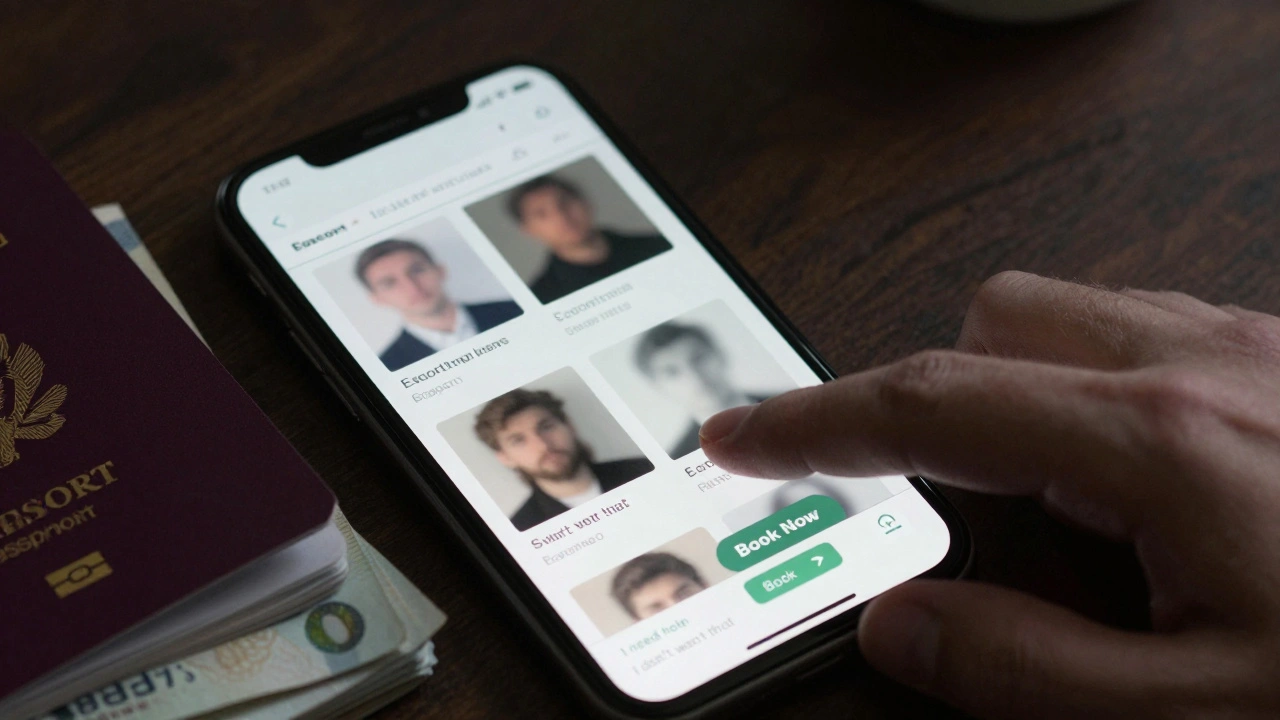
Should you use an agency or find someone independently?
Agencies are easier to find - but riskier. They often operate illegally, take large cuts, and may use coercion. Independent workers are harder to find, but usually safer. They set their own rules, prices, and boundaries.
If you use an agency, look for one with a physical address, verifiable phone number, and clear terms. Avoid ones that use WhatsApp or Telegram exclusively. Legit agencies don’t hide behind encrypted apps.
What should you do if something goes wrong?
If you’re arrested, don’t resist. Ask for your country’s embassy immediately. Do not admit guilt. Say nothing until you speak to a lawyer. If you’re scammed, don’t confront the person - leave quietly and report it anonymously to local authorities or expat forums.
If you feel threatened, go to a public place, call emergency services, or ask for help from hotel staff. Most hotels will call police if you’re in danger - even if you’re there with an escort.
Is it worth the risk?
That depends. If you’re traveling for pleasure and want companionship, consider alternatives: dating apps, social clubs, language exchanges. Many travelers find meaningful connections without paying.
But if you’ve decided to proceed, knowledge is your best protection. Know the law. Respect the culture. Stay alert. And never assume that because it’s common, it’s safe.
Is it legal to hire a call girl in every country?
No. Laws vary dramatically. In countries like the Netherlands and Germany, it’s legal and regulated. In the U.S., most states ban it entirely. In Japan and India, it exists in a legal gray area. Always check official government travel advisories before traveling.
Can I use my credit card to pay an escort abroad?
Almost never. Most escorts - especially independent ones - only accept cash. Digital payments leave a trace that can be used against you legally or by scammers. Even cryptocurrency is risky because blockchain records are public. Stick to cash in local currency.
How do I know if an escort is real and not a scam?
Look for consistency across multiple sources - same name, photo, contact, location. Avoid profiles with only Instagram or WhatsApp. Real independent escorts usually have a website or verified social media with real client reviews. If they push for quick payment or refuse to meet in public first, walk away.
What’s the safest way to meet an escort for the first time abroad?
Meet in a public place like a hotel lobby, café, or restaurant during daylight hours. Never go to their home or a private apartment on the first meeting. Bring cash, keep your phone charged, and let someone you trust know where you’re going. Avoid alcohol and drugs. Trust your gut - if something feels off, leave.
Do escorts in foreign countries expect tips?
Not usually - unless explicitly stated. In most places, the agreed-upon fee covers everything: time, companionship, and intimacy. Offering a tip can be seen as rude, implying they’re underpaid or that you’re trying to buy extra favors. Always confirm pricing upfront.
What should I do if I’m arrested for hiring an escort?
Stay calm. Do not resist or argue. Ask to speak with your country’s embassy immediately. Do not admit guilt or sign anything without legal counsel. Most countries will allow you to contact a lawyer. Your embassy can help, but they can’t get you out of jail - only legal representation can.
Are there cultural taboos I should avoid when meeting an escort abroad?
Yes. In Muslim-majority countries, public displays of affection or asking about religion can offend. In East Asia, being overly loud or demanding is seen as rude. In Europe, being late or canceling last minute is disrespectful. Always research local customs before meeting someone - it’s not just about safety, it’s about basic human respect.
Can I get in trouble even if the escort is legal in that country?
Yes. Even where sex work is legal, laws around solicitation, advertising, or operating from a residence may still apply to you. In Germany, for example, you can’t legally pay for sex in a residential building. In Australia, you can’t solicit on the street. Ignorance of the law is not a defense.
Is it safer to use an agency or find someone independently?
Independent workers are usually safer. Agencies often take large cuts, use coercion, and operate illegally. Independent escorts set their own rules, prices, and boundaries. If you use an agency, verify their physical address, phone number, and payment terms. Avoid anything that uses only encrypted messaging apps.
What’s the biggest mistake travelers make when hiring escorts abroad?
Assuming that what’s normal at home is normal abroad. Many travelers think "everyone does it," so it must be safe. But local laws, cultural norms, and police attitudes can be completely different. The biggest danger isn’t the escort - it’s your own assumptions.