Why People Seek Humiliation Escort Services: The Psychology Behind the Demand
Why do some people pay for humiliation escort services?
It’s not about being cruel. It’s not about degradation for its own sake. For many, humiliation escort services are a carefully negotiated space where deep emotional needs are met-safely, consensually, and with clear boundaries. People don’t walk into these sessions looking to be broken. They’re looking to let go.
Think of it like skydiving. The fear is real. The thrill is real. But the safety gear? That’s the script, the safe word, the aftercare. Humiliation in this context isn’t about shame-it’s about surrender. And surrender, when chosen, can feel like freedom.
Is humiliation the same as abuse?
No. Not even close.
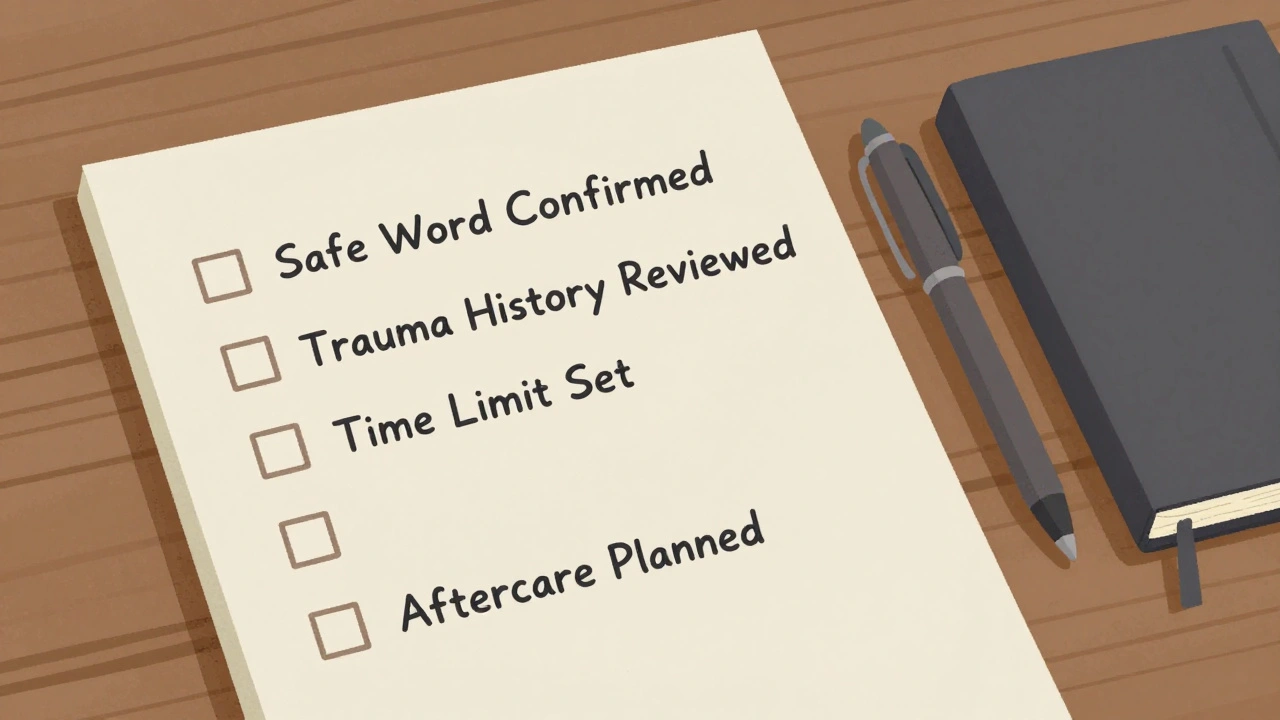
Abuse happens without consent. Humiliation escort work happens with layers of it. Clients and providers agree on limits before anything starts. They use safe words. They check in. They debrief. Many providers even require clients to fill out detailed intake forms-asking about triggers, past trauma, emotional goals.
One provider in Manchester told me: ‘I don’t make people feel small. I help them feel safe while they feel small. That’s the difference.’
What emotions are really being chased here?
It’s not just about sex. It’s about control, release, and sometimes, relief.
- Relief from responsibility - Many clients are high-achievers: CEOs, doctors, teachers. At work, they’re in charge. In the session, they hand over that weight.
- Emotional catharsis - Some carry guilt, shame, or self-loathing they can’t talk about anywhere else. The session becomes a ritual where those feelings are acknowledged… and then released.
- Validation through submission - Being told ‘you’re nothing’ by someone who’s clearly in control can paradoxically make someone feel seen. It’s not about belief-it’s about performance. And when the performance ends, so does the role.
How do these services actually work?
It’s not wild, unscripted chaos. Most sessions are highly structured.
Typical setups include:
- Pre-session consultation - A 30-60 minute call or video chat to discuss limits, fantasies, and emotional goals.
- Scene design - The provider crafts a scenario: verbal humiliation, role-play (e.g., student/teacher, prisoner/guard), or public-style scenarios (done privately).
- Time-bound performance - Sessions last 60-120 minutes. No longer. Too much intensity without structure becomes harmful.
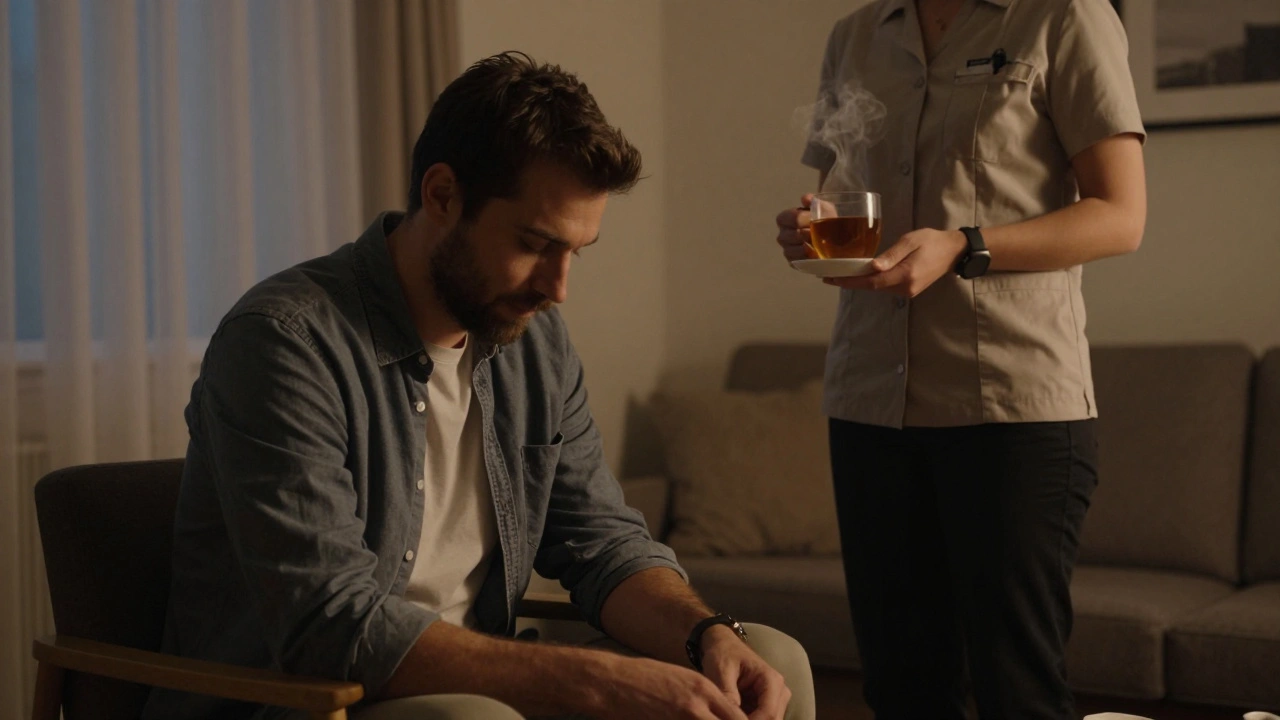
- Aftercare - This is non-negotiable. A warm drink, quiet conversation, a hug. The provider helps the client return to their baseline. Many clients say aftercare is the part they remember most.
Who uses these services-and why now?
It’s not who you think.
Surveys from the UK’s Adult Services Research Group (2024) show:
| Group | Percentage | Primary Motivation |
|---|---|---|
| Men aged 30-45 | 68% | Stress relief, emotional reset |
| Women aged 28-40 | 22% | Reclaiming agency through surrender |
| Non-binary/other | 10% | Exploring identity and power dynamics |
Most aren’t looking for pornographic thrills. They’re looking for emotional clarity. One client, a school principal from Bristol, said: ‘I spend my days managing chaos. For two hours, I let someone else manage me. It’s the only time I feel truly calm.’
Are these services legal in the UK?
Yes-with strict limits.
Prostitution itself isn’t illegal in the UK. But paying for sexual services that involve humiliation or degradation is a gray area. As long as:
- All parties are over 18
- Consent is documented (verbally or in writing)
- No public indecency or coercion occurs
…it falls under adult consensual activity. But providers often avoid advertising ‘humiliation’ directly. They use terms like ‘power exchange,’ ‘role-play,’ or ‘emotional release sessions’ to stay within legal boundaries.
What are the risks-and how are they managed?
The biggest risk isn’t legal. It’s psychological.
Without proper boundaries, humiliation can reopen old wounds. That’s why experienced providers:
- Screen clients for trauma history
- Never use personal details (names, jobs, appearance) in scenes
- Offer optional follow-ups or referrals to therapists
- Refuse clients who push beyond agreed limits
There’s no room for improvisation. This isn’t improv theater. It’s emotional surgery-done with precision, not passion.

Is this just a fetish-or something deeper?
It’s both.
Some people enjoy the thrill of being called names. Others use it to process childhood trauma, religious guilt, or social anxiety. The same words-‘you’re worthless,’ ‘you don’t deserve respect’-can be a weapon in one context and a healing tool in another.
Psychologists call this ‘consensual role reversal.’ It’s not about believing the words. It’s about temporarily stepping into a role that lets you feel what you’ve been avoiding. The release comes not from the humiliation-but from the safety that follows.
How do providers protect their own mental health?
They don’t just ‘switch off’ after a session.
Top providers have routines:
- 15-minute decompression after every client
- Weekly therapy sessions
- Strict separation between work and personal life
- Peer support groups for sex workers in niche markets
One provider in Leeds said: ‘I don’t take their shame home. I take their trust. And that’s a gift I treat like glass.’
Is this growing in popularity?
Yes-and quietly.
Since 2020, requests for ‘power exchange’ and ‘emotional release’ services have risen 47% in the UK, according to industry data from the Independent Escorts Association. The biggest increases? Among men in their 30s and 40s who’ve never tried anything like this before.
Why now? Maybe it’s burnout. Maybe it’s loneliness. Maybe it’s the collapse of traditional emotional outlets. Whatever the reason, people are searching for ways to feel human again-and they’re finding it in places no one talks about.