
How Technology is Changing the Landscape for Russian Escorts in London

Are Russian escorts in London still using flyers and phone calls?
No. The old ways are gone. A few years ago, Russian escorts in London relied on word-of-mouth, printed ads in back-alley magazines, or calling agencies with fixed hours. Today, nearly every independent Russian escort uses smartphones, apps, and social media to run their business. It’s not just more convenient-it’s safer, faster, and more profitable.
Platforms like Telegram, Instagram, and private booking sites have replaced the need for physical meetups in coffee shops or hotel lobbies just to exchange numbers. Profiles are curated, photos are vetted, and clients screen themselves before even sending a message. This shift has turned escorting from a hidden trade into a digital service business.
How do Russian escorts in London attract clients now?
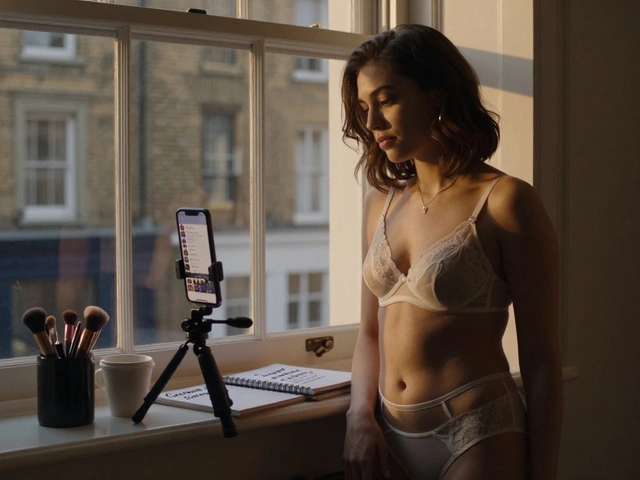
They don’t wait for clients to find them-they show up where clients are looking. Most Russian escorts in London use Instagram as their main portfolio. High-quality, tasteful photos, short video clips, and clear bios with pricing and availability are standard. Many also use Telegram for secure messaging, since it allows encrypted chats and self-destructing messages.
Some use niche platforms like OnlyFans or private escort directories that specialize in Eastern European profiles. These sites offer built-in payment systems, ID verification, and client reviews. A well-optimized profile can get 5-10 new inquiries per week without spending a penny on ads.
Is online booking really safer than meeting in person first?
Yes-and here’s why. Before, escorts had to meet strangers in public places just to decide if they’d work together. That was risky. Now, most clients fill out a short form online: age, location, preferences, and even a photo. The escort reviews it before agreeing to anything.
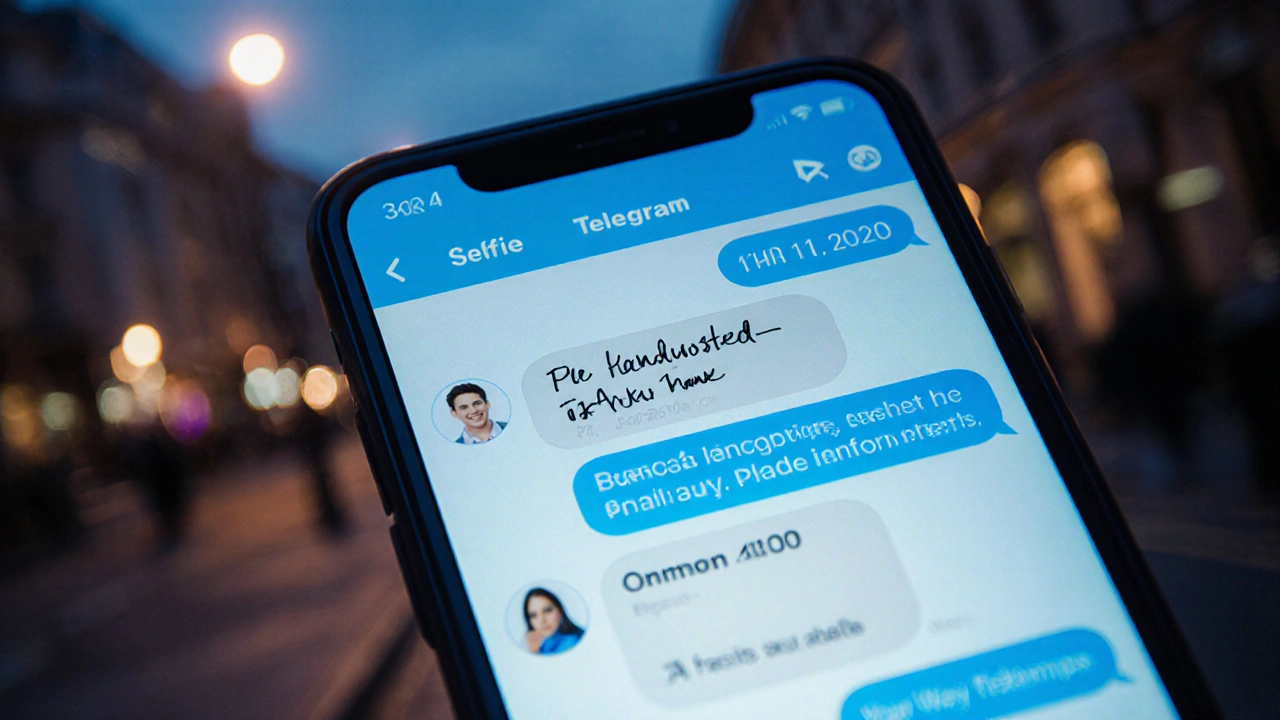
Many use encrypted booking tools like Calendly or custom-built web forms that ask for ID verification via a selfie with a handwritten note. This filters out scammers, cops, and unstable clients before the first message. Some Russian escorts in London now refuse to meet anyone who hasn’t completed this digital screening.
Payment is also handled digitally-via Revolut, Wise, or crypto. No cash exchanges. No awkward handoffs. That reduces the chance of robbery or fraud.
What role do apps and AI play in managing bookings?
Apps are now the backbone of daily operations. Many Russian escorts use simple scheduling tools that sync across devices and automatically block out busy hours. Some even use AI chatbots to answer common questions like:
- "Do you do outcalls?"
- "What’s your minimum time?"
- "Can I pay by card?"
These bots don’t replace human interaction-they handle the repetitive stuff so the escort can focus on clients who matter. One escort in Camden told me she saved 15 hours a week just by automating responses. That’s three extra days off.
AI also helps with photo editing and content suggestions. Tools like Canva and Adobe Express let escorts create professional-looking posts without hiring a designer. AI-generated captions in Russian and English help reach both local and international clients.
How has social media changed the image of Russian escorts in London?
It’s made them look less like stereotypes and more like professionals. Ten years ago, Russian escorts were often portrayed as desperate or exploited. Now, many present themselves as entrepreneurs-women who speak English, have degrees, travel, and treat this as a legitimate service business.
On Instagram, you’ll find escorts sharing travel photos from Lisbon or Prague, talking about yoga, cooking, or learning Spanish. They post about boundaries, consent, and mental health. This isn’t just marketing-it’s rebranding. Clients now look for someone who’s confident, clear-headed, and in control.
One escort in Notting Hill, Maria, has over 8,000 followers. She doesn’t post explicit content. Instead, she shares behind-the-scenes moments: her morning coffee, her cat, her weekly planner. Her clients say they book her because she feels like someone they’d want to hang out with-not just pay for.

Are there downsides to all this tech?
Yes. The digital shift has made the market more competitive. There are now hundreds of Russian escorts in London with polished profiles and identical pricing. Standing out means investing in content, consistency, and personal branding.
Some escorts get banned from Instagram for no clear reason. Others get scammed by fake clients who use stolen credit cards. There’s also pressure to post constantly to stay visible. One escort in Hackney said she almost burned out after six months of posting daily, replying to 50+ messages a day, and never taking a break.
Technology didn’t remove the risks-it just changed them. Now, instead of street dangers, the risks are online: doxxing, blackmail, account suspensions, and algorithm changes that kill your visibility overnight.
What’s the future for Russian escorts in London?
The trend is clear: the more professional, tech-savvy, and boundary-setting an escort is, the more successful they’ll be. Those who treat this like a business-track expenses, save taxes, use contracts, and build a personal brand-will thrive.
Some are already moving into coaching. A few Russian escorts in London now run online courses teaching others how to set up secure profiles, avoid scams, and manage finances. Others partner with photographers, makeup artists, and copywriters to build full-service brands.
One thing’s certain: the days of sitting by a phone waiting for a call are over. The new Russian escorts in London are digital entrepreneurs. They don’t ask for permission. They build their own rules-and their own futures.
Are Russian escorts in London legal?
In the UK, selling sexual services is not illegal, but related activities like brothel-keeping, pimping, or soliciting in public are. Most Russian escorts in London operate independently from private homes or hotels, staying within legal boundaries. They avoid public solicitation and use digital platforms to arrange meetings, which reduces legal risk.
Do Russian escorts in London need to pay taxes?
Yes. If an escort earns more than £1,000 a year from self-employment, they must register with HMRC and file a Self Assessment tax return. Many now use accounting apps like QuickBooks or Wave to track income and expenses. Some hire freelance accountants who specialize in adult industry clients to stay compliant.
How do Russian escorts handle client safety?
Most use digital screening: ID verification, pre-booking questionnaires, and encrypted messaging. Many share their location with a trusted friend before a date and use apps like bSafe or Circle 6 to send alerts. Some require clients to provide a photo of themselves holding a handwritten note with the date and escort’s name. These steps are now standard among professionals.
Can you find Russian escorts in London without social media?
It’s possible, but rare. Most independent escorts rely on digital profiles to reach clients. Traditional agencies still exist, but they’re declining. If someone claims to be an escort without any online presence, be cautious-legitimate professionals need visibility to survive in today’s market.
What’s the average income for a Russian escort in London?
Earnings vary widely. Entry-level escorts make £300-£500 per session. Experienced, well-branded escorts charge £800-£1,500 per session and often work 3-5 days a week. Top-tier professionals with strong digital presence and repeat clients can earn £20,000-£40,000 a month. Income depends on location, presentation, and marketing-not nationality.


5 Comments
Write a comment



Vicky Durel
November 14, 2025 AT 06:41Mrigank Srivastava
November 15, 2025 AT 07:12alyssa golightly
November 15, 2025 AT 11:52Darshan R
November 16, 2025 AT 01:22Kristina Mozdzierz
November 17, 2025 AT 00:04