
Celebrating Empowerment: The Real Lives of Independent Escorts in London

Are independent escorts in London really as dangerous as people say?
Not even close. Most independent escorts in London work alone, set their own rules, and use safety tools that many corporate jobs don’t offer. They screen clients with verified IDs, conduct video calls before meetings, and share appointment details with trusted friends. Some even use apps like EscortSafety or SafeRide that auto-alert contacts if a check-in is missed.
A 2024 survey by the English Collective of Prostitutes found that 89% of independent escorts in London reported no violent incidents in the past year. That’s higher than the national average for retail workers. The real risk isn’t the work-it’s the stigma and legal gray zones that make reporting abuse harder.
How do independent escorts in London make money without agencies?
They build direct client relationships through word-of-mouth, verified review sites, and social media profiles that focus on personality, not just photos. Many use platforms like OnlyFans or Patreon to offer exclusive content, which brings in steady monthly income outside of in-person meetings.
Top earners in London make between £4,000 and £8,000 a month, depending on availability, location, and niche. Most work 15-25 hours a week, often choosing their own days off. One escort in Camden told me she books only three clients a week-two in central London, one in Richmond-and uses the rest of her time to paint, study psychology, and travel.
Do independent escorts in London have control over their work conditions?
Yes. That’s the whole point of being independent. They pick their rates, decide which services they offer (or refuse), and choose where they meet clients-whether it’s their own apartment, a private hotel room, or a client’s place with strict boundaries.
Unlike agency-based workers, they don’t pay 30-50% of their earnings to middlemen. They keep 100% of what they earn. Many reinvest in safety gear: panic buttons, encrypted messaging apps, secure payment processors like Stripe or PayPal (with discreet billing names), and even private security consultations.

What does a typical day look like for an independent escort in London?
There’s no single routine, but here’s a realistic example: A 32-year-old escort in Notting Hill starts her day at 10 a.m. with a coffee, checks messages, and responds to vetted inquiries. By noon, she’s at a boutique hotel for a 90-minute appointment. Afterward, she walks to a nearby park, reads for an hour, and then heads to a yoga class.
Evening might involve editing photos for her website, replying to client reviews, or meeting a friend for dinner. She doesn’t work on weekends unless she wants to. Her schedule is built around her energy, not a boss’s demands.
Why do women choose to become independent escorts in London?
It’s rarely about desperation. Most say they chose it for autonomy, flexibility, and financial freedom. One woman, a former teacher in Croydon, left her job after realizing she was making less than half of what she earned as an escort-while working 60-hour weeks and dealing with burnout.
Others are students, artists, or single mothers who need to work around childcare. One escort in Hackney supports her two kids on her earnings, pays for private school, and takes them on trips every summer. She doesn’t advertise as a ‘mom’-she advertises as someone who’s calm, intelligent, and good company.
Is being an independent escort in London legal?
Selling sex isn’t illegal in the UK. But many related activities are: soliciting in public, running a brothel, or paying for sex from someone under coercion. Independent escorts avoid these by working privately, never soliciting on the street, and never sharing spaces with others.
They operate in a legal gray zone-not because they’re breaking laws, but because the laws are outdated and inconsistently enforced. Police rarely target independent escorts unless there’s a complaint about coercion or underage activity. Most focus on human trafficking rings, not consenting adults working alone.
How do independent escorts in London handle stigma?
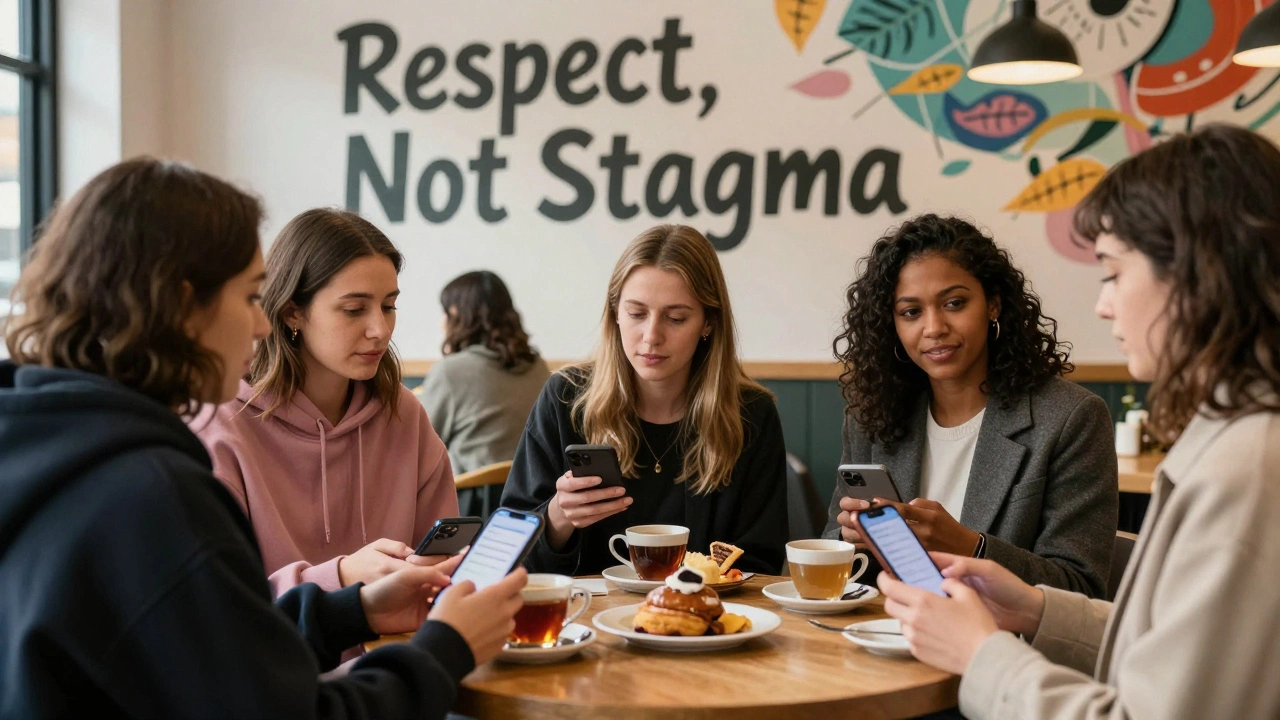
They don’t wait for society to accept them-they build their own communities. There are private Facebook groups with over 5,000 members, local meetups in East London cafés, and online forums where they share legal advice, mental health tips, and client red flags.
Some use pseudonyms and keep their work separate from personal life. Others are open with close friends and family. One escort in Hampstead told her parents she’s a ‘private consultant’-they didn’t ask for details, and she didn’t push. They still send her birthday cards.
What’s the biggest myth about independent escorts in London?
That they’re victims. The truth? Most are highly skilled professionals who manage their brand, finances, and emotional boundaries with precision. They’re therapists, negotiators, and entrepreneurs rolled into one.
They don’t need saving. They need respect. And the freedom to work without fear of arrest, judgment, or losing custody of their kids because someone labeled them a ‘prostitute’.
Where do independent escorts in London find clients?
Not on street corners. Not on shady websites. They use curated platforms like LondonLiaisons, EliteLondonEscorts, and private Instagram accounts with strict follower approval. Many rely on repeat clients and referrals.
One escort said she’s had the same 12 clients for over five years. They come back because she remembers their coffee order, their dog’s name, and how they like their wine. That’s not luck-that’s customer service.



7 Comments
Write a comment





Bonnie Cole
January 8, 2026 AT 12:05I’ve spent years working in international human rights advocacy, and what struck me most about this piece is how it flips the script on victim narratives that have dominated policy discussions for decades. These women aren’t just surviving-they’re thriving on their own terms, designing careers that prioritize autonomy over exploitation. The fact that they use encrypted apps, vet clients through verified IDs, and have safety protocols that outpace many corporate HR departments is revolutionary. It’s not just about sex work-it’s about labor rights, digital privacy, and economic self-determination all wrapped into one. I’ve seen similar models in Berlin and Amsterdam, but London’s ecosystem feels uniquely sophisticated because of how deeply integrated it is with tech and creative industries. These women aren’t outliers; they’re pioneers of the gig economy’s most ethical form.
And let’s be real: if a woman can earn £7k/month working 20 hours a week while painting, studying psychology, and traveling, why are we still framing this as tragedy instead of triumph? The stigma isn’t coming from the work-it’s coming from people who can’t imagine a life where women control their bodies and their income without apology.
sam ly
January 10, 2026 AT 04:11Jeanine Lee
January 10, 2026 AT 04:25I appreciate the effort to humanize this population, but I’m curious about the sourcing. The English Collective of Prostitutes is a well-known advocacy group-how was the survey conducted? Were participants recruited through the same networks that promote these platforms? I’m not saying the data is false, but without transparent methodology, it’s hard to separate lived experience from activist framing. Also, the mention of Stripe and PayPal with ‘discreet billing names’ raises red flags for me-those platforms have strict policies against adult services. How are they avoiding account closures? I’d love to see a follow-up with a financial analyst’s perspective.
Still, the part about the teacher leaving her job for higher pay and better hours? That’s the real story. That’s the part that should be in every career counseling office.
Hayley Wallington
January 12, 2026 AT 04:06I’m a therapist in Portland and I’ve had three clients over the past year who used to work in this industry in London. Not one of them described it as exploitation. They all said the same thing: ‘For the first time, I was in charge.’ One woman told me she finally felt seen-not as a body, not as a transaction, but as someone who could set boundaries and be respected for her intellect. She said her clients often came to her for advice on relationships, careers, even parenting. That’s not prostitution. That’s emotional labor, and it’s undervalued across every profession.
I’ve started recommending this model to young women in my practice who feel trapped by traditional career paths. The autonomy, the flexibility, the control over rhythm and energy-it’s everything modern work culture claims to want but rarely delivers. If society stopped judging and started listening, we might learn something about what real freedom looks like.
Stephen Taliercio
January 12, 2026 AT 19:33SHAHUL NAZEEM
January 13, 2026 AT 16:04Katelyn Stephens
January 14, 2026 AT 10:10